CHINATEE JOURNAL
Why Oolong Tea Is So Versatile
Oolong tea sits between green tea and black tea, offering a wide range of flavors.
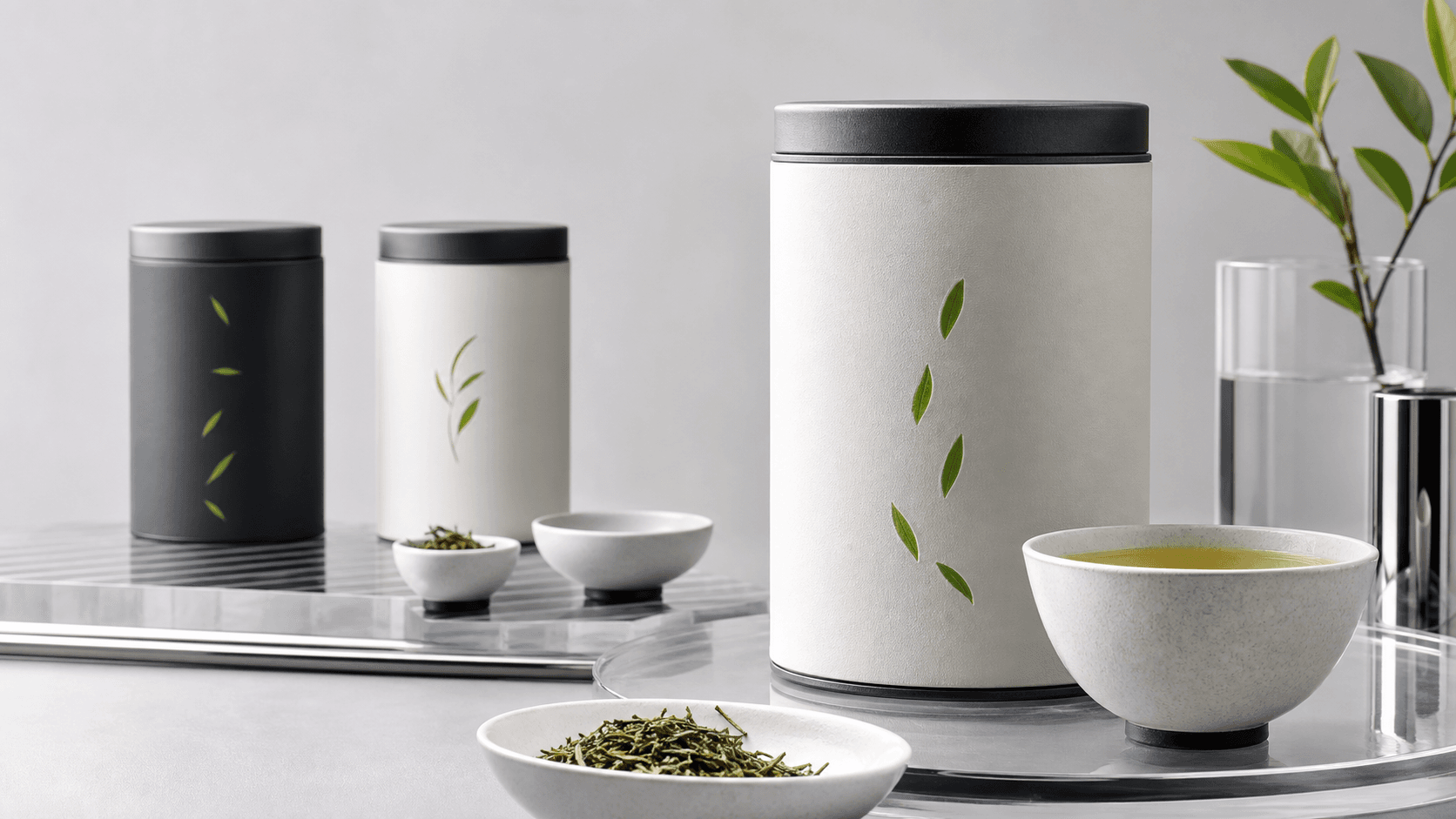
Oolong tea is one of the most fascinating types of tea. It sits between green tea and black tea, but it has its own unique identity. Depending on origin, processing and oxidation level, Oolong tea can taste floral, creamy, fruity, roasted, nutty, sweet or mineral.
This wide flavor range is exactly what makes Oolong so versatile. For tea lovers in Austria, Oolong is a great choice when you want more depth than green tea but something lighter and more elegant than strong black tea.
What Is Oolong Tea?
Oolong tea is a partially oxidized tea. After harvesting, the tea leaves are allowed to oxidize, but only partly. This creates a broad spectrum of aromas and textures.
Lightly oxidized Oolongs often taste fresh, floral and smooth. More oxidized or roasted Oolongs are warmer, deeper and may have notes of honey, nuts, ripe fruit, wood, caramel or cocoa.
Between Green Tea and Black Tea
The versatility of Oolong tea comes mainly from how it is processed. Green tea is usually barely oxidized, while black tea is fully oxidized. Oolong sits somewhere in between.
That means one Oolong can be light and fragrant, while another can be dark, rich and roasted. This makes Oolong suitable for beginners as well as experienced tea drinkers.
Different Styles of Oolong Tea
There are many styles of Oolong tea, and they can taste very different from each other.
- Green Oolongs are light, floral and fresh. They are ideal for people who enjoy green tea but want something softer.
- Roasted Oolongs have more depth, warmth and body. They often taste nutty, caramel-like or mineral.
- Dark Oolongs are fuller and more intense. They can remind you of black tea, but with more elegance and complexity.
- Milky Oolong is especially popular because of its soft, creamy texture and smooth aroma.
Why Oolong Tea Can Be Re-Steeped
One of the best things about high-quality Oolong tea is that it can be steeped several times. Each infusion can reveal something new. The first cup may be light and floral, while later infusions become sweeter, rounder or more mineral.
This makes Oolong tea perfect for mindful tea drinking. Instead of just one cup, you get a small journey through changing flavors.
How to Brew Oolong Tea
For everyday drinking, use a simple Western brewing method:
- Tea amount: 3–5 g Oolong tea per 250 ml water
- Water temperature: 85–95 °C
- Steeping time: 2–4 minutes
- Re-steeping: 2–5 infusions
For lighter Oolongs, use slightly cooler water. Roasted or darker Oolongs can handle hotter water.
For a richer experience, try Gong Fu brewing:
- Tea amount: 5–7 g tea per 100–120 ml water
- Water temperature: 90–95 °C
- Steeping time: 15–30 seconds
- Infusions: many short infusions
When to Drink Oolong Tea
Oolong tea fits many moments of the day. A light floral Oolong is perfect in the afternoon or as an elegant alternative to green tea. A roasted Oolong is ideal for calm evenings, desserts or moments when you want something warm and full-bodied.
Oolong also pairs well with food. Light Oolongs go nicely with fruit, pastries and mild dishes. Roasted Oolongs pair beautifully with nuts, chocolate, cheese or savory meals.
Buy Oolong Tea in Austria
In our Austrian tea shop, you can discover selected Oolong teas for different tastes: from light and floral teas to roasted, deep and complex Oolongs. If you are looking for a tea that never gets boring, Oolong is one of the best choices.