CHINATEE JOURNAL
How to Brew Pu-erh Tea
Water temperature, steeping time, dosage and practical tips for Sheng and Shou Pu-erh.
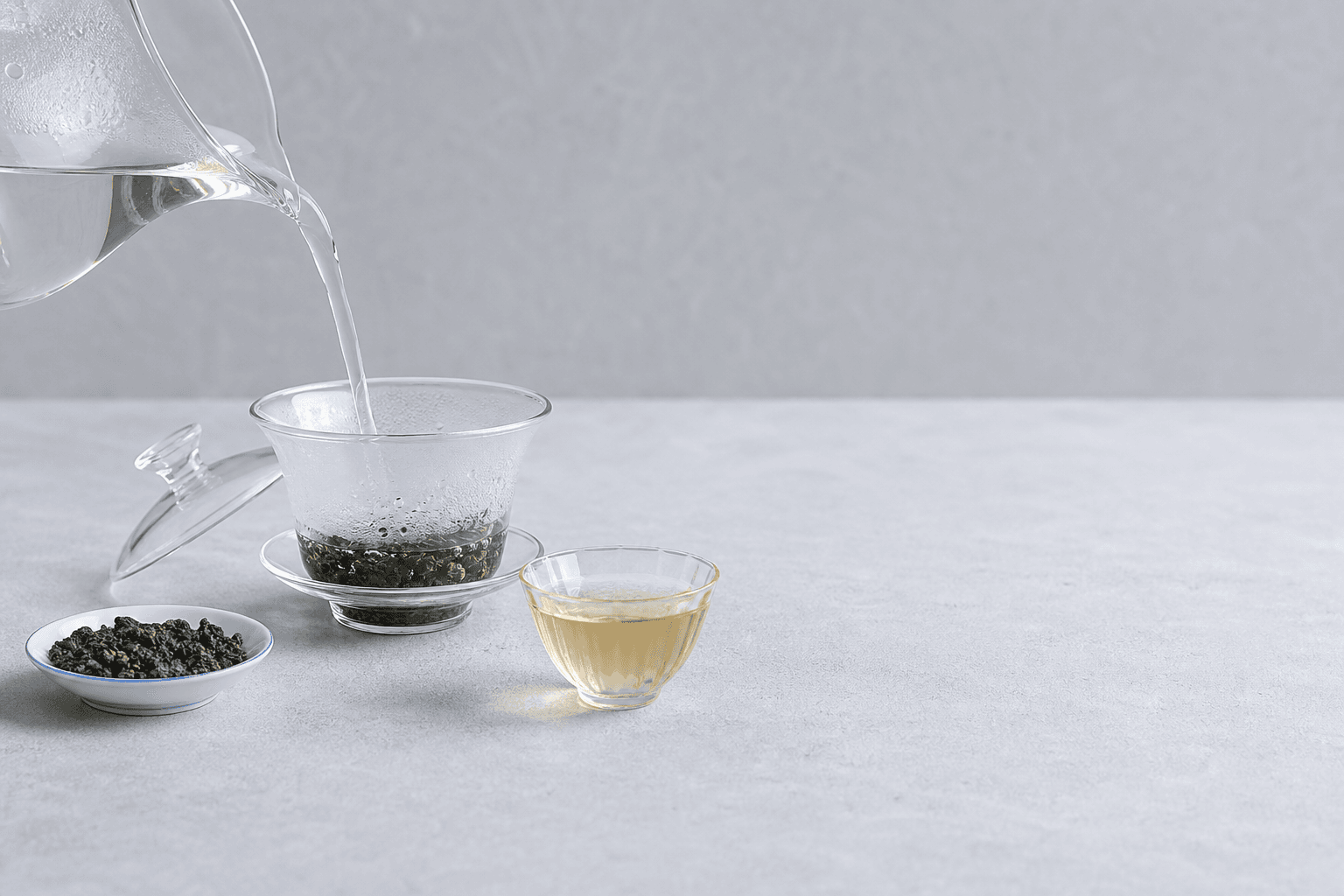
Pu-erh tea is a unique fermented tea from China, known for its deep flavor, smooth body and complex aroma. For many tea lovers in Austria, Pu-erh is an exciting alternative to black tea, green tea or coffee. To get the best taste from Pu-erh tea, it is important to use the right water temperature, tea amount and steeping time.
What Is Pu-erh Tea?
Pu-erh tea traditionally comes from Yunnan, China. It is made from large-leaf tea plants and can mature over time. There are two main types of Pu-erh tea:
- Sheng Pu-erh, also called raw Pu-erh, is usually fresher, brighter and more lively. Young Sheng can taste slightly bitter or astringent, while aged Sheng becomes smoother and more complex.
- Shou Pu-erh, also called ripe Pu-erh, is darker, smoother and often has earthy, woody or naturally sweet notes. It is usually easier for beginners.
Easy Western Brewing Method
This is the best method for everyday tea drinking.
- Tea amount: 3–5 g Pu-erh tea per 250 ml water
- Water temperature: 95–100 °C
- Steeping time: 2–4 minutes
- Re-steeping: 2–4 infusions
Place the loose Pu-erh tea into a teapot, infuser or tea filter. Pour hot water over the leaves and steep for 2 to 4 minutes. For a lighter cup, use a shorter steeping time. For a stronger and deeper taste, steep a little longer.
Gong Fu Brewing Method
For a richer and more traditional Pu-erh experience, use the Gong Fu method. This style uses more tea, less water and many short infusions.
- Tea amount: 5–7 g tea per 100–120 ml water
- Water temperature: 95–100 °C
- Quick rinse: 5–10 seconds, then discard
- First infusions: 10–20 seconds
- Later infusions: slowly increase the steeping time
Gong Fu brewing allows you to taste different layers of Pu-erh tea. One infusion may be earthy and deep, while the next one may become sweeter, softer or more mineral.
Should You Rinse Pu-erh Tea?
Many Pu-erh tea drinkers rinse the leaves before the first infusion. A short rinse with hot water helps open compressed tea leaves and removes fine tea dust. This is especially useful for compressed Pu-erh cakes, bricks or mini tuocha.
Tips for Better Pu-erh Tea
Use good-quality water, ideally not too hard. Very hard water can make the tea taste flat. Store Pu-erh tea in a dry, well-ventilated place away from strong smells. Pu-erh can absorb aromas from its surroundings, so do not keep it next to coffee, spices or perfume.
For beginners, Shou Pu-erh is often the best choice because it is smooth, round and easy to brew. Sheng Pu-erh is ideal for tea drinkers who enjoy more complex, fresh and evolving flavors.
Buy Pu-erh Tea in Austria
In our Austrian tea shop, you can discover selected loose Pu-erh tea for beginners and experienced tea drinkers. Whether you are looking for a smooth Shou Pu-erh for daily drinking or a complex Sheng Pu-erh for multiple infusions, Pu-erh tea offers a deep and memorable tea experience.