CHINATEE JOURNAL
The Right Water Temperature for Tea
The best temperature for green tea, black tea, Oolong, white tea and Pu-erh.
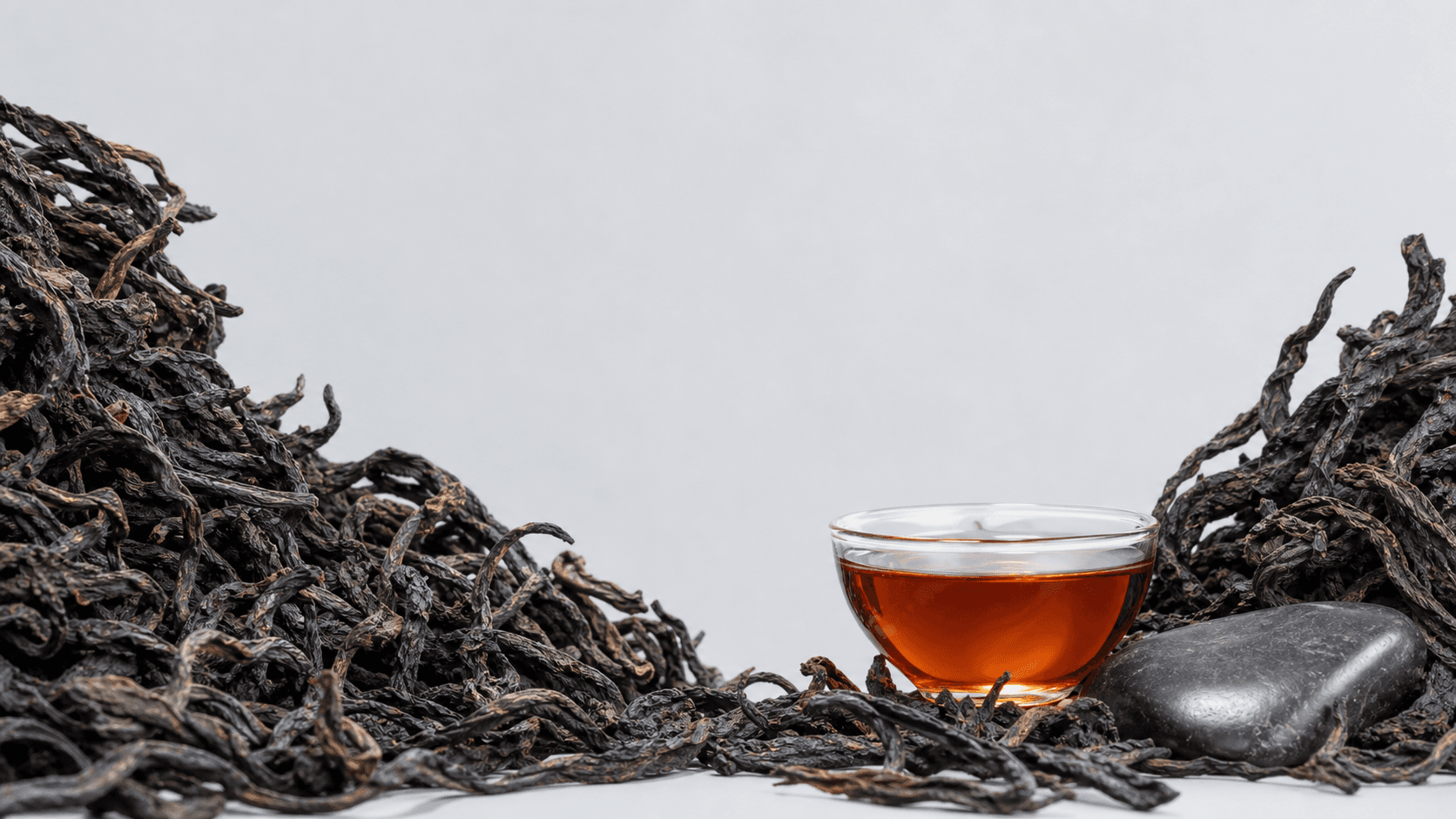
Water temperature is one of the most important parts of brewing tea. A few degrees can make the difference between a smooth, aromatic cup and a bitter or flat one. If you buy high-quality loose tea, the right temperature helps you get the best possible taste from the leaves.
Green tea, white tea, Oolong, black tea and Pu-erh all need slightly different brewing temperatures. Each tea type opens best under the right conditions.
Why Water Temperature Matters
Tea contains natural aromatic compounds, tannins, amino acids and caffeine. Hotter water extracts these compounds faster and more strongly. This can be perfect for bold teas, but too much for delicate teas.
Water that is too hot can make green tea and white tea taste bitter. Water that is too cool can make black tea, roasted Oolong or Pu-erh taste weak and underdeveloped.
Tea Temperature Guide
- Green tea: 70–80 °C
- een tea is delicate and should usually not be brewed with boiling water. Lower temperatures create a fresher, smoother cup.
- White tea: 75–85 °C
- ite tea is gentle and elegant. Slightly cooler water helps preserve its floral, sweet and soft notes.
- Oolong tea: 85–95 °C
- ght Oolongs often taste best at 85–90 °C. Roasted or darker Oolongs can handle 90–95 °C and develop more depth.
- Black tea: 90–100 °C
- ack tea needs hot water to release its full body, color and strong aroma.
- Pu-erh tea: 95–100 °C
- -erh is usually brewed with very hot water. Ripe Pu-erh and compressed Pu-erh teas especially benefit from near-boiling water.
- Herbal and fruit tea: 100 °C
- rbal and fruit infusions are usually brewed with boiling water to extract their full flavor.
How to Cool Water Without a Temperature-Controlled Kettle
You do not always need a special kettle. After boiling the water, let it cool for a short time before pouring it over the tea.
A simple guide:
- For about 90 °C: wait around 1 minute after boiling.
- For about 80 °C: wait around 3–4 minutes.
- For about 70 °C: wait around 6–8 minutes.
The exact timing depends on room temperature, water amount and the vessel, but this method works well for everyday tea brewing.
Can Boiling Water Ruin Tea?
Boiling water can make some teas taste bitter or too strong. This is especially common with delicate green teas, fine white teas and some light Oolongs. Stronger teas such as black tea, Pu-erh and many herbal teas are more robust.
If your tea tastes bitter, try cooler water, a shorter steeping time or slightly less tea.
The Best Temperature for Loose Tea
Loose tea responds more clearly to brewing conditions than many standard tea bags. This is a good thing: it gives you more control over taste. With the right water temperature, your tea becomes clearer, smoother and more aromatic.
For beginners, a temperature-controlled kettle can be useful. But the most important tool is your taste. If the tea is too bitter, use cooler water. If it is too weak, use hotter water or increase the steeping time slightly.
Enjoy Better Tea in Austria
In our Austrian tea shop, you can discover high-quality loose tea for every brewing style: green tea, black tea, Oolong, white tea, Pu-erh, herbal tea and fruit tea. With the right water temperature, every cup becomes more balanced, aromatic and enjoyable.